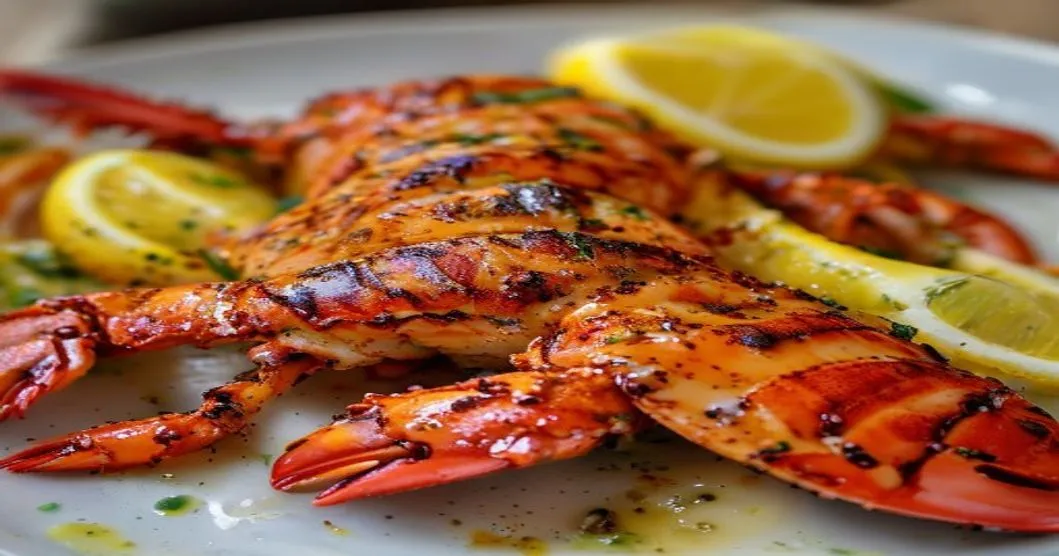
How Many Calories Are in a Lobster Tail?
A plain 4 oz lobster tail, steamed or boiled with nothing added, has about 130 calories and roughly 27 grams of protein. That makes lobster one of the leanest, highest-protein seafood options available, at least until butter enters the picture.
Restaurant lobster tails often carry a much higher calorie count, not because the lobster itself changes, but because of larger portion sizes and the butter, oil, or breading added during cooking and serving. Below, we break down calories by size, by cooking method, and show exactly how much butter adds to your total.
Lobster Tail Calories By Size (Plain, No Butter)
| Size | Calories | Protein |
|---|---|---|
| Small tail (2-3 oz) | 70-95 kcal | 15-19g |
| Medium tail (4 oz) | 130 kcal | 27g |
| Large tail (6-8 oz) | 195-260 kcal | 40-53g |
These numbers are for the plain meat only, with the shell removed and nothing added. This is the number to keep in mind if you are counting a lobster tail as a lean protein source, before any butter or oil enters the picture.
Calculate Your Exact Lobster Tail Calories
Use this calculator to see your total based on tail size, cooking method, and how much butter you add.
Grilled vs Steamed Lobster Tail: Calorie Comparison
At a restaurant level, the gap between cooking methods is bigger than most people expect. Outback Steakhouse’s steamed lobster tail entree runs 340-480 calories for the full serving, while the grilled version reaches 420-650 calories for the same size portion.
The lobster meat itself does not change calorie count much between grilling and steaming. What changes is the oil, butter, or marinade brushed on during grilling, plus larger commercial portion sizes at restaurants compared to a plain tail you’d steam at home. If you want the closest thing to the “pure protein” number, steaming or boiling with nothing added keeps you closest to the 130-calorie baseline for a medium tail.
Why Butter Changes Everything
Butter is where lobster tail calories can spiral fast. A single tablespoon of melted butter, the standard side dish at most seafood restaurants, adds about 100 calories on its own. Many people use 2-3 tablespoons per tail without realizing it, which can add 200-300 calories, more than doubling the calorie count of the lobster itself.
If you enjoy the classic butter dip but want to manage calories, splitting a single tablespoon across a larger tail, or swapping in a squeeze of lemon and herbs instead, keeps the lean protein profile of lobster intact rather than undoing it with added fat.
Why Lobster Is a Standout High-Protein Food
At 130 calories for 27 grams of protein in a medium tail, lobster offers one of the best protein-to-calorie ratios of any common seafood, similar to shrimp and slightly better than most white fish. It is also naturally low in saturated fat and carbohydrate-free, making it a popular choice for high-protein, calorie-conscious meal plans, as long as the butter stays light.
How Lobster Tail Fits Your Daily Calories
At 130 calories for a plain medium tail, lobster is one of the more efficient protein sources for a calorie-controlled day. If you are tracking toward a specific target, check your TDEE Calculator first, then use the calculator above to see how butter and cooking method affect your final total. Our guide on how much protein you need per day can help you see how a lobster dinner fits into your broader protein target.
For anyone building a high-protein dinner around lobster, pairing it with steamed vegetables or a simple salad instead of buttery mashed potatoes or a rich pasta side keeps the overall meal calorie count much closer to what the lobster itself contributes, rather than letting the sides quietly double the total.
Cold Water vs Warm Water Lobster: Does It Change Calories?
Most lobster tails sold in the US come from either cold-water lobster (Maine, Canada) or warm-water spiny lobster (Caribbean, Florida). The calorie and protein content between the two is very similar, both are lean, high-protein shellfish, but texture and flavor differ more than nutrition does. Cold-water lobster tends to have a slightly firmer, sweeter meat, which is part of why it commands a higher price at most seafood counters and restaurants, not because of a meaningful calorie difference.
If you are choosing between the two purely for nutritional reasons, either option fits a lean, high-protein diet equally well. The bigger calorie factor remains what you serve alongside the lobster, whether that is butter, a cream sauce, or a simple squeeze of lemon.
Lobster Tail vs Other Popular Seafood
Compared to other common seafood proteins, lobster holds up well on a calorie-per-protein basis:
- Lobster (4 oz): about 130 calories, 27g protein
- Shrimp (4 oz): about 120 calories, 25g protein
- Salmon (4 oz): about 235 calories, 25g protein (higher due to natural fat content)
- Cod (4 oz): about 105 calories, 23g protein
Lobster sits closer to shrimp and cod in calorie density than to fattier fish like salmon, since shellfish generally carries much less natural fat than oily fish. This is part of why lobster works so well in high-protein, lower-fat meal plans, provided the butter stays in check.
Frozen vs Fresh Lobster Tail: Any Nutritional Difference?
Most lobster tails sold at grocery stores are frozen rather than fresh, and freezing does not meaningfully change the calorie or protein content of the meat. The main difference shows up in texture and moisture retention, fresh tails tend to hold slightly more natural moisture, while frozen tails can lose a small amount during the freeze-thaw process, which can make the cooked portion taste marginally more concentrated in flavor per bite.
For calorie tracking purposes, treating frozen and fresh lobster tail as nutritionally equivalent is reasonable, since the shellfish itself is not altered by freezing in any way that changes its macronutrient profile.
Common Mistakes That Add Hidden Calories
- Assuming grilled is automatically lighter than steamed, when added oil or marinade often makes it higher
- Not counting the butter dip separately, when it can double the calorie count of the lobster itself
- Comparing a small home-cooked tail to a large restaurant portion without adjusting for the size difference
- Choosing a cream-based lobster dish (like lobster bisque or lobster mac and cheese) and expecting the same lean profile as a plain tail
- Assuming frozen lobster tail is nutritionally different from fresh, when the macronutrient content stays essentially the same
Frequently Asked Questions
How many calories are in a grilled lobster tail?
A grilled lobster tail at a restaurant typically has 340-420+ calories for a standard entree portion, mostly due to added oil or butter during grilling and larger serving sizes.
How many calories are in a lobster tail with butter?
A medium lobster tail with 1 tablespoon of butter has about 230 calories, since the butter alone adds roughly 100 calories on top of the 130-calorie plain tail.
How many calories are in a steamed lobster tail?
A plain steamed lobster tail (4 oz) has about 130 calories with no butter or oil added. Restaurant steamed lobster entrees run higher, typically 340-480 calories, due to larger portions and butter served alongside.
Is lobster tail good for weight loss?
Yes, plain lobster is very lean and high in protein, making it a strong choice for weight loss as long as butter and oil are used sparingly.
How many calories are in 2 lobster tails?
Two medium plain lobster tails (4 oz each) total about 260 calories, though restaurant preparations with butter or oil can push this well over 500-600 calories combined.
Does lobster have a lot of cholesterol?
Lobster does carry more cholesterol than many other proteins, typically around 100-120mg per 4 oz serving. For most healthy adults without a specific cholesterol concern, this fits reasonably within a balanced diet, though it is worth discussing with a doctor if you are managing cholesterol closely.
What is the best way to cook lobster tail for the fewest calories?
Steaming or boiling with no added fat, finished with a squeeze of lemon and fresh herbs instead of butter, keeps a lobster tail closest to its natural 130-calorie baseline for a medium size portion.